 English
  Chinese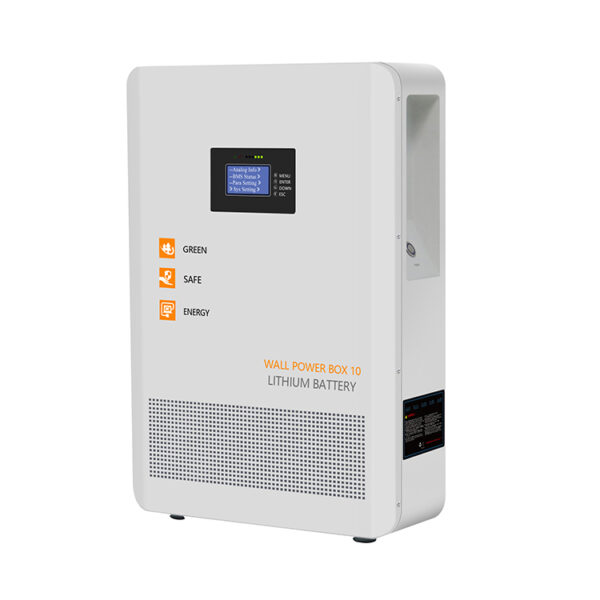
What are 48V 100Ah 5kWh Battery Packs?
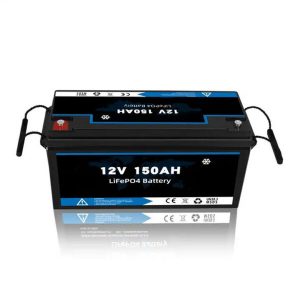
48V 100Ah 5kWh battery packs are a specific type of rechargeable battery designed for applications that require a high capacity and a moderate voltage. Let’s break down each component:
- 48V: This indicates the voltage rating of the battery pack. It means that the pack can output a potential difference of 48 volts.
- 100Ah: This stands for Ampere-hours, a unit of electrical charge. It represents the amount of current (in amperes) the battery can deliver continuously for one hour. So, a 100Ah battery can supply 100 amperes for one hour or 50 amperes for two hours, and so on.
- 5kWh: This is the energy capacity of the battery pack, measured in kilowatt-hours (kWh). It represents the total amount of energy the battery can store. In this case, a 5kWh battery can power a 500-watt device for 10 hours.
Common Applications for 48V 100Ah 5kWh Battery Packs:
- Electric Vehicles (EVs): These battery packs are often used in smaller electric vehicles like golf carts, electric scooters, or low-speed electric cars.
- Renewable Energy Systems: They can be paired with solar panels or wind turbines to store excess energy for later use.
- Off-Grid Power Systems: These batteries are ideal for providing backup power in areas without a reliable grid connection.
- Industrial Applications: They can be used in various industrial processes that require a reliable and high-capacity power source.
In essence, a 48V 100Ah 5kWh battery pack is a powerful and versatile energy storage solution that can provide reliable power for a variety of applications.
How are LiFePO4 48V 100Ah batteries manufactured?
The manufacturing process of 48V 100Ah battery packs involves several key steps:
1. Cell Manufacturing:
- Materials: The core components of a battery cell are the anode, cathode, separator, and electrolyte. These materials are sourced and prepared.
- Anode and Cathode Production: The anode and cathode are typically made from materials like graphite and lithium cobalt oxide, respectively. These materials are processed into thin sheets or films.
- Separator Production: A porous separator is made from materials like polypropylene or polyethylene to prevent direct contact between the anode and cathode while allowing ion flow.
- Electrolyte Preparation: The electrolyte, a liquid or gel-like substance, is prepared using chemicals like lithium hexafluorophosphate.
2. Cell Assembly:
- Stacking: The anode, cathode, and separator are stacked together in a specific sequence.
- Electrolyte Filling: The electrolyte is injected into the cell stack.
- Sealing: The cell is sealed to prevent electrolyte leakage and maintain a controlled environment.
3. Cell Testing:
- Quality Control: Each cell undergoes rigorous testing to ensure it meets performance standards.
- Performance Evaluation: Tests include measuring capacity, voltage, rate capability, and cycle life.
4. Battery Pack Assembly:
- Module Formation: Multiple cells are connected in series and parallel to form modules.
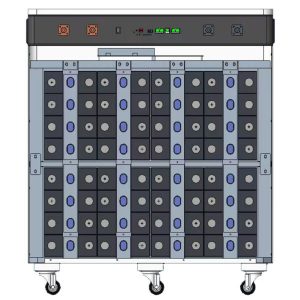
- Pack Construction: The modules are assembled into a larger battery pack with a protective enclosure.
- BMS Integration: A battery management system (BMS) is integrated to monitor and control the pack’s performance, including charging, discharging, and safety.
5. Final Testing and Quality Control:
- Performance Verification: The entire battery pack is tested to ensure it meets the specified voltage, capacity, and other performance parameters.
- Safety Testing: Safety tests are conducted to evaluate the pack’s ability to withstand abuse conditions like short circuits, overcharging, and overdischarging.
Why 48V 100Ah Battery Packs are popular?
48V 100Ah battery packs have gained popularity due to several factors:
1. Optimal Voltage and Capacity:
- Voltage: The 48V voltage level is suitable for a wide range of applications, including electric vehicles, renewable energy systems, and industrial equipment. It provides a good balance between power and efficiency.
- Capacity: The 100Ah capacity offers a substantial amount of energy storage, making these packs suitable for applications that require extended runtime or frequent charging cycles.
2. Versatility:
- Multiple Applications: These packs can be used in various sectors, such as electric vehicles, off-grid power systems, and industrial machinery. Their versatility makes them a valuable asset in different industries.
- Customizable Configurations: Battery packs can be configured with different numbers of cells and modules to meet specific power requirements, allowing for flexibility in design and implementation.
3. Efficiency:
- Higher Voltage, Lower Current: Compared to lower voltage battery packs, 48V packs can deliver the same amount of power at a lower current. This reduces energy losses during transmission and improves overall efficiency.
- Improved Motor Performance: In electric vehicles, higher voltage batteries can drive motors more efficiently, leading to better performance and range.
4. Safety:
- Advanced BMS: Modern battery packs incorporate sophisticated battery management systems (BMS) that monitor voltage, temperature, and current to ensure safe operation and prevent potential hazards.
- Thermal Management: These packs often include cooling systems to dissipate heat and prevent overheating, which is crucial for safety and longevity.
5. Cost-Effective:
- Economies of Scale: The widespread use of 48V battery packs has led to economies of scale in manufacturing, resulting in more affordable options for consumers.
- Lower Maintenance Costs: These packs generally require less maintenance compared to other battery technologies, reducing long-term costs.
In conclusion, the popularity of 48V 100Ah battery packs stems from their optimal voltage and capacity, versatility, efficiency, safety features, and cost-effectiveness. These factors make them a preferred choice for a wide range of applications.
What’s the Application of 48v 100ah batteries?
48V 100Ah batteries are versatile and can be used in a wide range of applications. Here are some common examples:
1. Electric Vehicles (EVs):
- Golf Carts: These batteries are frequently used in golf carts due to their compact size, high capacity, and ability to provide consistent power for extended periods.
- Electric Scooters and Motorcycles: For shorter-range electric vehicles like scooters and motorcycles, 48V 100Ah batteries offer a good balance of power and weight.
- Low-Speed Electric Cars: Some low-speed electric cars can also utilize these batteries for propulsion.
2. Renewable Energy Systems:
- Solar and Wind Energy Storage: 48V 100Ah batteries can store excess energy generated from solar panels or wind turbines, providing backup power during periods of low energy production or high demand.
- Off-Grid Power Systems: In areas without a reliable grid connection, these batteries can be used to store energy from alternative sources like solar or wind and provide power for various applications.
3. Industrial Applications:
- Emergency Power Supply: These batteries can serve as a backup power source for critical equipment in industrial settings, ensuring uninterrupted operations during power outages.
- Material Handling Equipment: Forklifts, pallet trucks, and other material handling equipment can be powered by 48V 100Ah batteries.
4. Medical Equipment:
- Portable Medical Devices: Some portable medical devices, such as ventilators or diagnostic equipment, can use these batteries for power supply.
5. Marine Applications:
- Electric Boats: Smaller electric boats can be equipped with 48V 100Ah batteries for propulsion.
6. Home Energy Storage:
- Residential Backup Power: These batteries can be used in homes to store excess energy generated from solar panels and provide backup power during grid outages.
The suitability of a 48V 100Ah battery for a specific application depends on factors like the required power output, operating conditions, and desired runtime.
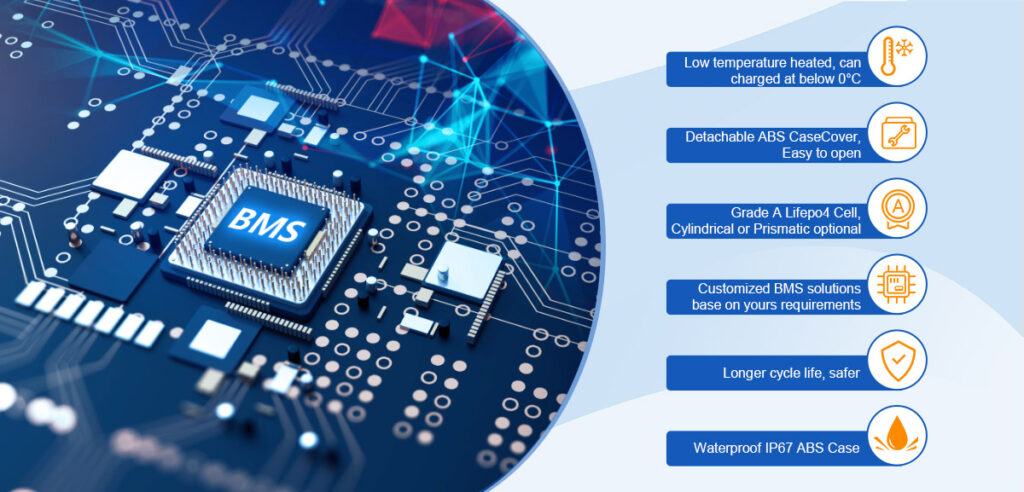
The 48V 100Ah LiFePO4 battery is poised to have a promising future in the battery market due to its numerous advantages and the role played by the ThinkedPow factory in its production. LiFePO4 batteries are gaining popularity as a safer and more efficient alternative to traditional lead-acid batteries.
The LiFePO4 chemistry offers several advantages, including high energy density, long cycle life, and excellent thermal stability. These batteries can store a significant amount of energy, allowing for longer operation times and increased power output. With their extended cycle life, LiFePO4 batteries can endure hundreds or even thousands of charge-discharge cycles, making them a reliable and durable energy storage solution.
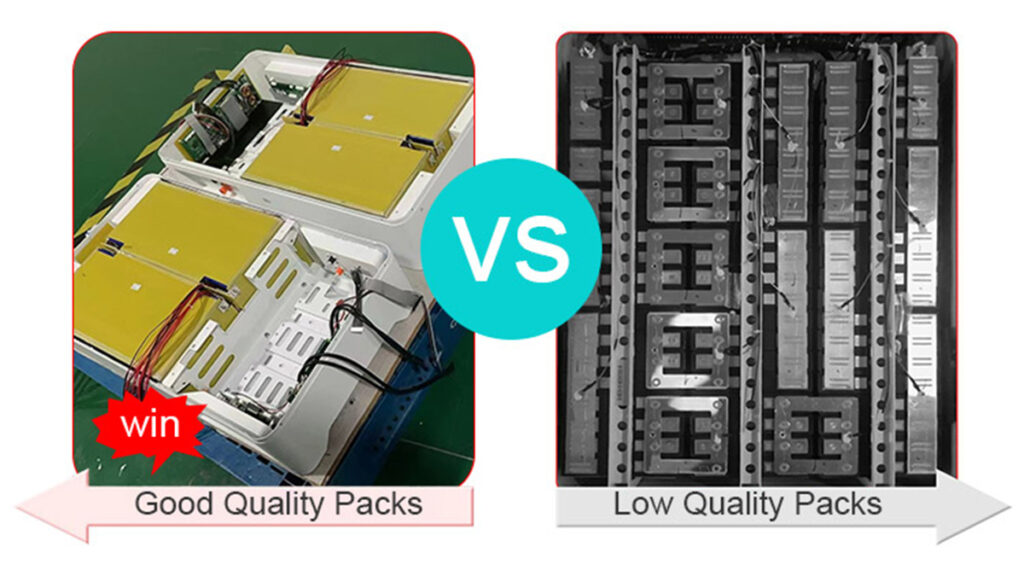
One of the key players in producing high-quality LiFePO4 batteries is the ThinkedPow factory. They possess advanced manufacturing facilities and expertise in battery production. The factory ensures strict quality control measures throughout the manufacturing process, resulting in reliable and safe batteries that meet industry standards.
The ThinkedPow factory’s commitment to innovation plays a crucial role in the advancement of sustainable energy solutions. They continuously invest in research and development to improve battery performance and explore new applications. By staying at the forefront of battery technology, they contribute to the overall growth and adoption of LiFePO4 batteries in various industries.
Furthermore, the ThinkedPow factory emphasizes the importance of certifications and licenses. They adhere to international standards and regulations, ensuring their batteries meet safety and quality requirements. Certifications such as ISO 9001 and CE demonstrate their commitment to delivering reliable and compliant products.
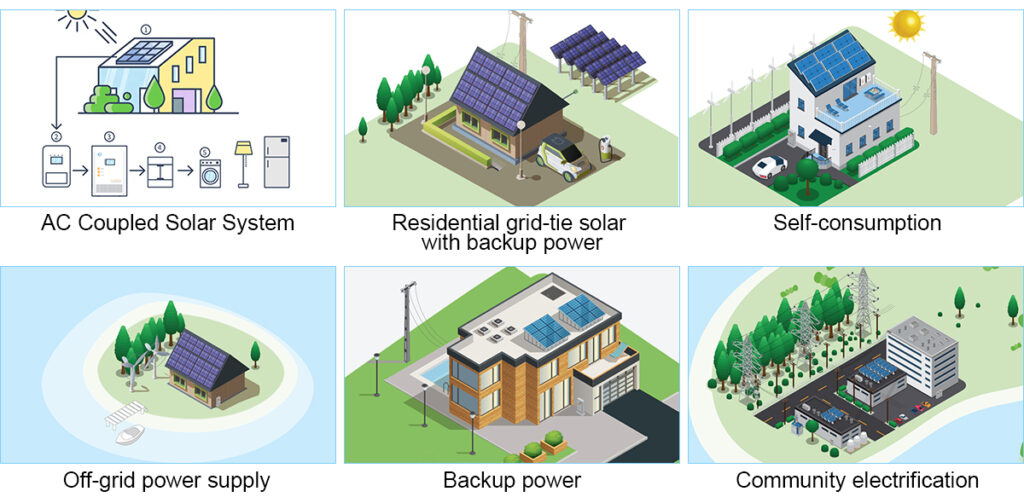
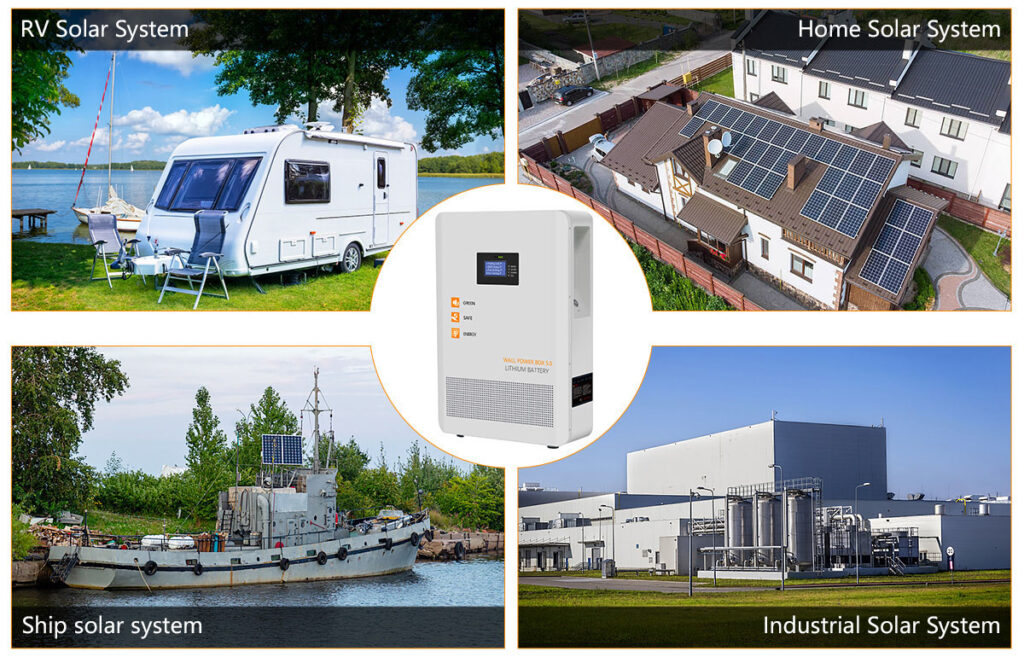
The 48V 100Ah LiFePO4 battery finds applications in a wide range of industries. It is suitable for renewable energy storage, electric vehicles, UPS systems, telecom infrastructure, off-grid power systems, and marine/RV applications. Its high capacity and fast charging capabilities make it ideal for demanding energy storage needs.
In conclusion, the 48V 100Ah LiFePO4 battery is expected to have a bright future in the battery market. Its advantages, including high capacity, long cycle life, and safety, make it a superior choice over traditional lead-acid batteries. The ThinkedPow factory’s expertise, advanced production facilities, and commitment to innovation are instrumental in producing high-quality LiFePO4 batteries that meet customer demands. Their adherence to certifications and licenses further ensures reliability and customer satisfaction. With their contributions, LiFePO4 batteries are set to revolutionize the energy storage landscape and drive the transition towards a sustainable future.
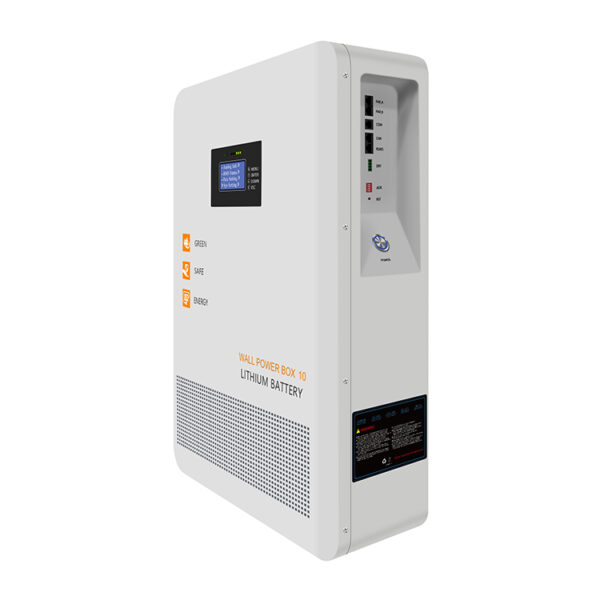
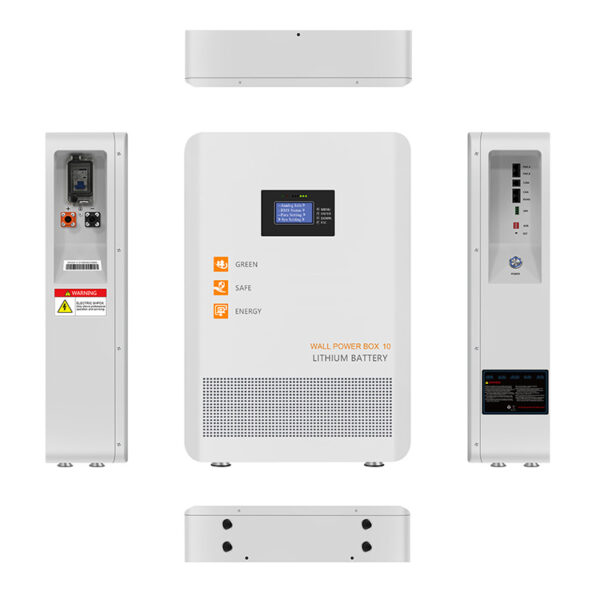
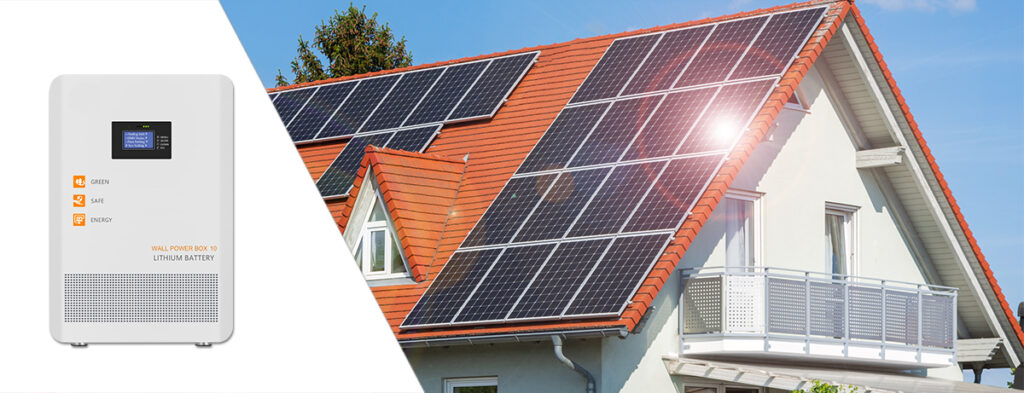
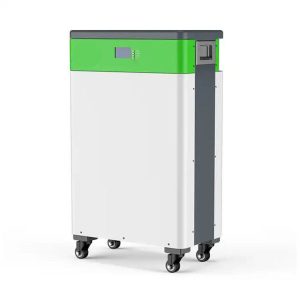
The ThinkedPow 48V 100Ah Wall mounted battery system, with a capacity of 5kWh, is a safe and reliable plug-and-play solution for home energy storage systems and small to medium-sized businesses. It features communication and Bluetooth capabilities, allowing real-time monitoring of battery data.
Basic Parameters
| Item | Technical Parameters |
| Nominal Voltage | 51.2V |
| Rated Capacity | 100AH @0.5C to 42V |
| Stored energy | 5020Wh |
| Chemistry | LiFePO4 |
| Life Expectancy (years) | 10 years @ 25°C |
| Charge Cut-off Voltage | 58.4V |
| Discharge Cut-Off Voltage | 42V |
| Internal Resistance | ≤70.0 mΩ |
| Max. Continuous charge Current | 100A |
| Max. Continuous discharge Current | 100A |
| Cycle life@100%DOD | >2000 Cycles@100%DOD |
| >4000 Cycles@80%DOD | |
| >7000 Cycles@50%DOD | |
| Self-Discharge Rate | ≤3%/month @ 25°C |
| Battery Pack Round-Trip Efficiency | Up to 98% |
| Approx. Weight | 60 kg |
| Dimensions | L420mm×W259mm×H700mm |
| Series & Parallel Connection | Maxium 14 units in parallel Connection |
| Operating Temperature Range | |
| Charge | 32°F (0°C) to 113°F (45°C) |
| Discharge | -4°F (-20°C) to 140°F (60°C) |
| Storage | -4°F (-20°C) to 140°F (60°C) |
| Installation | Wall-mounted |
| Humidity Conditions | 10% to 90% |
| Cooling method | Natural cooling |
| Installation Altitude(above sea level) | ≤2,000m |
| Certifications | CELLS: UN38.3, UL1642, CE |
| BATTERY: UN38.3, CE | |
| Communication with BMS | RS485/CAN |
| Monitoring parameters | System Voltage |
| System Current | |
| Cell Voltage | |
| Cell temperature |

Reviews
There are no reviews yet.