 English
  Chinese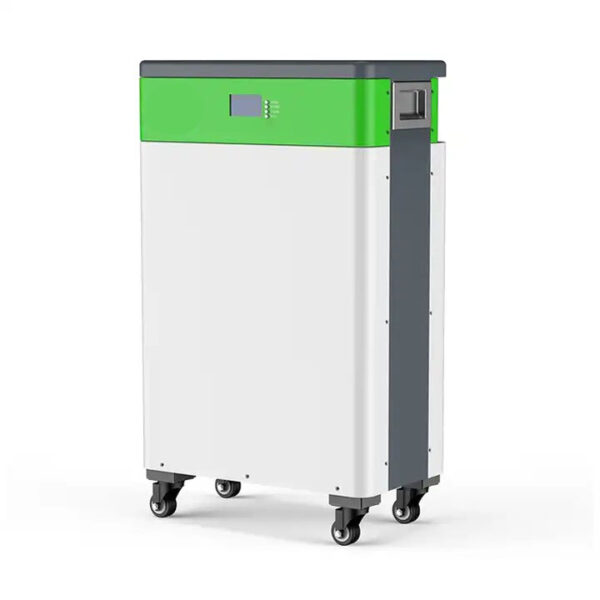
What are 48V 100Ah 5kWh Battery Packs?
48V 100Ah 5kWh battery packs are a specific type of rechargeable battery designed for applications that require a high capacity and a moderate voltage. Let’s break down each component:
- 48V: This indicates the voltage rating of the battery pack. It means that the pack can output a potential difference of 48 volts.
- 100Ah: This stands for Ampere-hours, a unit of electrical charge. It represents the amount of current (in amperes) the battery can deliver continuously for one hour. So, a 100Ah battery can supply 100 amperes for one hour or 50 amperes for two hours, and so on.
- 5kWh: This is the energy capacity of the battery pack, measured in kilowatt-hours (kWh). It represents the total amount of energy the battery can store. In this case, a 5kWh battery can power a 500-watt device for 10 hours.
Common Applications for 48V 100Ah 5kWh Battery Packs:
- Electric Vehicles (EVs): These battery packs are often used in smaller electric vehicles like golf carts, electric scooters, or low-speed electric cars.
- Renewable Energy Systems: They can be paired with solar panels or wind turbines to store excess energy for later use.
- Off-Grid Power Systems: These batteries are ideal for providing backup power in areas without a reliable grid connection.
- Industrial Applications: They can be used in various industrial processes that require a reliable and high-capacity power source.
In essence, a 48V 100Ah 5kWh battery pack is a powerful and versatile energy storage solution that can provide reliable power for a variety of applications.
How are LiFePO4 48V 100Ah batteries manufactured?
The manufacturing process of 48V 100Ah battery packs involves several key steps:
1. Cell Manufacturing:
- Materials: The core components of a battery cell are the anode, cathode, separator, and electrolyte. These materials are sourced and prepared.
- Anode and Cathode Production: The anode and cathode are typically made from materials like graphite and lithium cobalt oxide, respectively. These materials are processed into thin sheets or films.
- Separator Production: A porous separator is made from materials like polypropylene or polyethylene to prevent direct contact between the anode and cathode while allowing ion flow.
- Electrolyte Preparation: The electrolyte, a liquid or gel-like substance, is prepared using chemicals like lithium hexafluorophosphate.
2. Cell Assembly:
- Stacking: The anode, cathode, and separator are stacked together in a specific sequence.
- Electrolyte Filling: The electrolyte is injected into the cell stack.
- Sealing: The cell is sealed to prevent electrolyte leakage and maintain a controlled environment.
3. Cell Testing:
- Quality Control: Each cell undergoes rigorous testing to ensure it meets performance standards.
- Performance Evaluation: Tests include measuring capacity, voltage, rate capability, and cycle life.
4. Battery Pack Assembly:
- Module Formation: Multiple cells are connected in series and parallel to form modules.
- Pack Construction: The modules are assembled into a larger battery pack with a protective enclosure.
- BMS Integration: A battery management system (BMS) is integrated to monitor and control the pack’s performance, including charging, discharging, and safety.
5. Final Testing and Quality Control:
- Performance Verification: The entire battery pack is tested to ensure it meets the specified voltage, capacity, and other performance parameters.
- Safety Testing: Safety tests are conducted to evaluate the pack’s ability to withstand abuse conditions like short circuits, overcharging, and overdischarging.
Why 48V 100Ah Battery Packs are popular?
48V 100Ah battery packs have gained popularity due to several factors:
1. Optimal Voltage and Capacity:
- Voltage: The 48V voltage level is suitable for a wide range of applications, including electric vehicles, renewable energy systems, and industrial equipment. It provides a good balance between power and efficiency.
- Capacity: The 100Ah capacity offers a substantial amount of energy storage, making these packs suitable for applications that require extended runtime or frequent charging cycles.
2. Versatility:
- Multiple Applications: These packs can be used in various sectors, such as electric vehicles, off-grid power systems, and industrial machinery. Their versatility makes them a valuable asset in different industries.
- Customizable Configurations: Battery packs can be configured with different numbers of cells and modules to meet specific power requirements, allowing for flexibility in design and implementation.
3. Efficiency:
- Higher Voltage, Lower Current: Compared to lower voltage battery packs, 48V packs can deliver the same amount of power at a lower current. This reduces energy losses during transmission and improves overall efficiency.
- Improved Motor Performance: In electric vehicles, higher voltage batteries can drive motors more efficiently, leading to better performance and range.
4. Safety:
- Advanced BMS: Modern battery packs incorporate sophisticated battery management systems (BMS) that monitor voltage, temperature, and current to ensure safe operation and prevent potential hazards.
- Thermal Management: These packs often include cooling systems to dissipate heat and prevent overheating, which is crucial for safety and longevity.
5. Cost-Effective:
- Economies of Scale: The widespread use of 48V battery packs has led to economies of scale in manufacturing, resulting in more affordable options for consumers.
- Lower Maintenance Costs: These packs generally require less maintenance compared to other battery technologies, reducing long-term costs.
In conclusion, the popularity of 48V 100Ah battery packs stems from their optimal voltage and capacity, versatility, efficiency, safety features, and cost-effectiveness. These factors make them a preferred choice for a wide range of applications.
Why choose LiFePO4 48V 100Ah Batteries?
LiFePO4 (Lithium Iron Phosphate) batteries have gained significant popularity in recent years due to their exceptional performance and advantages over other battery technologies. Here’s why choosing a LiFePO4 48V 100Ah battery is a smart decision:
1. Long Cycle Life:
- Durability: LiFePO4 batteries are renowned for their longevity, capable of enduring thousands of charge-discharge cycles without significant capacity degradation. This makes them ideal for applications requiring long-term, reliable power storage.
2. Safety:
- Thermal Stability: LiFePO4 batteries are inherently safer than other lithium-ion chemistries, such as LCO (Lithium Cobalt Oxide). They are less prone to thermal runaway and fires, making them more secure for various applications.
3. High Energy Density:
- Compact Power: LiFePO4 batteries offer a high energy density, allowing for more power to be packed into a smaller space. This is particularly beneficial for applications where weight and size are critical factors.
4. Fast Charging:
- Rapid Recharging: LiFePO4 batteries can be charged at a faster rate compared to some other battery types, reducing downtime and increasing convenience.
5. Wide Operating Temperature Range:
- Versatility: LiFePO4 batteries can operate effectively in a wide range of temperatures, making them suitable for various environments and climates.
6. Environmental Friendliness:
- Sustainability: LiFePO4 batteries are generally considered more environmentally friendly than some other battery technologies due to their lower environmental impact during manufacturing and disposal.
7. Maintenance-Free:
- Minimal Upkeep: LiFePO4 batteries typically require minimal maintenance, reducing operational costs and simplifying management.
In conclusion, LiFePO4 48V 100Ah batteries offer a compelling combination of benefits, making them an excellent choice for applications that demand long-lasting, safe, and efficient power storage. Whether you’re using them for renewable energy systems, electric vehicles, or off-grid power solutions, LiFePO4 batteries provide a reliable and sustainable power source.
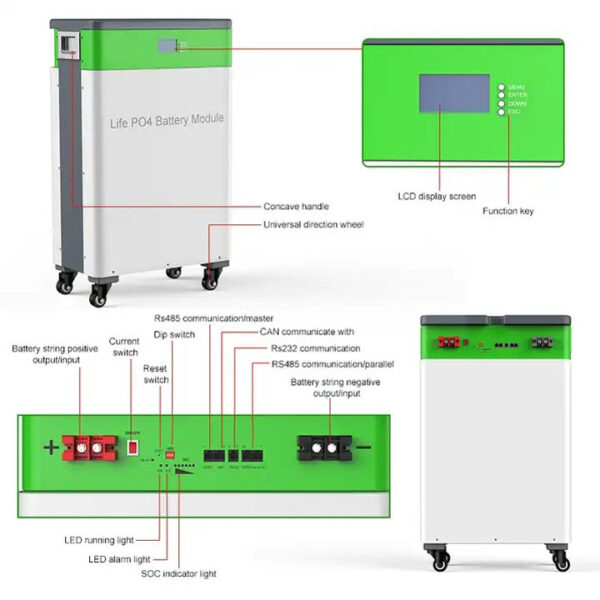
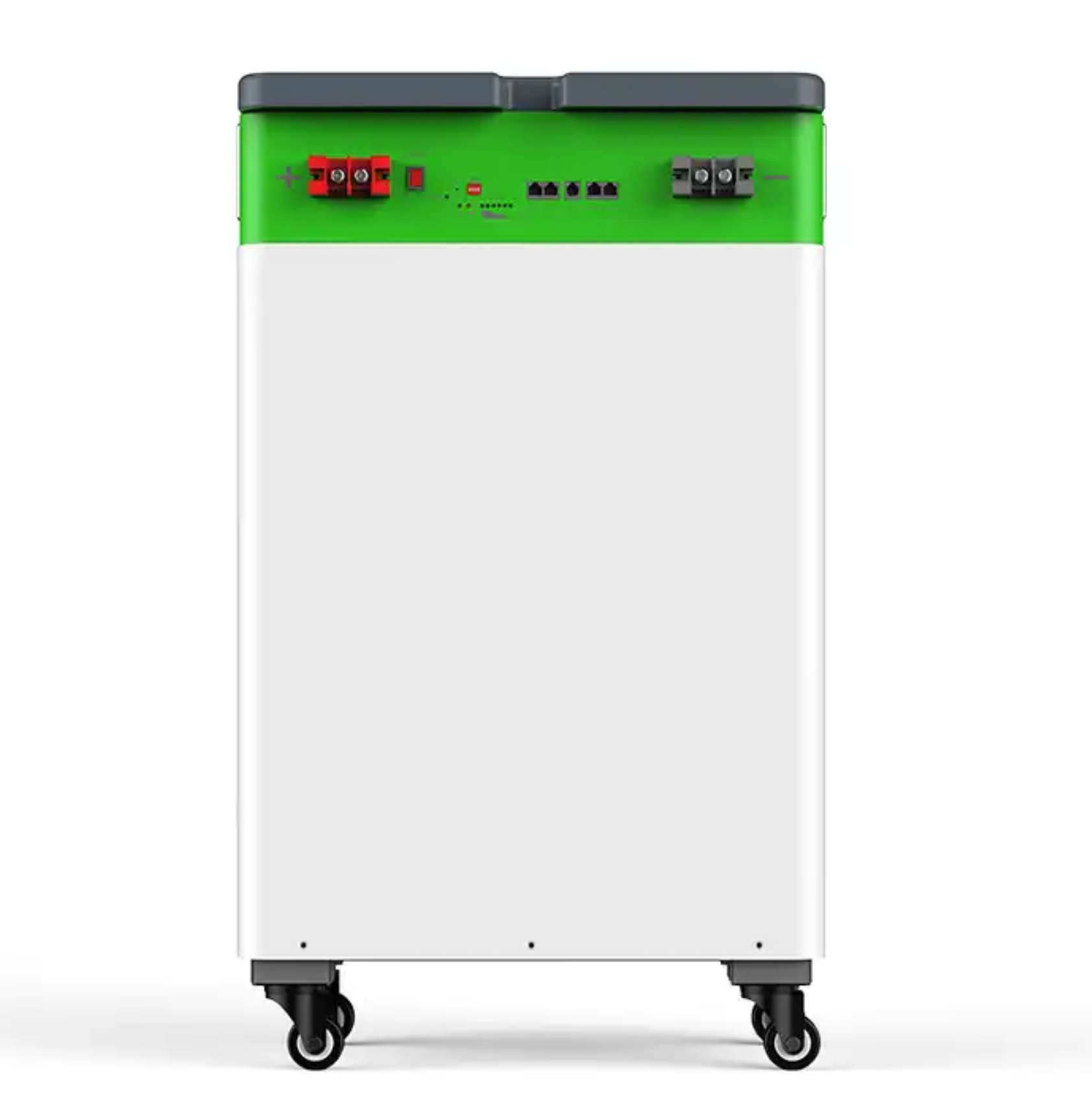
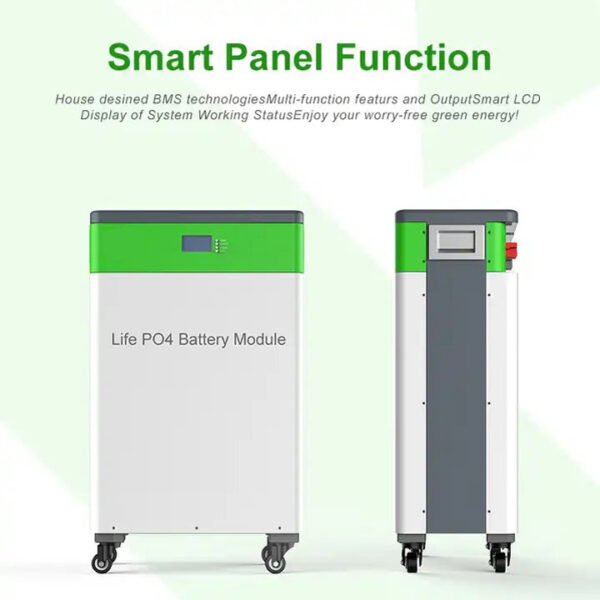
The ThinkedPow 48V 100Ah floor-standing battery system is a robust and versatile energy storage solution that combines LiFePO4 battery modules with an advanced Battery Management System (BMS). With a capacity of 5kWh, this system is designed for easy installation and is well-suited for both home energy storage systems and small to medium-sized businesses.
One of the key features of the ThinkedPow 48V 100Ah battery system is its plug-and-play design. This means that it can be easily integrated into existing energy systems without the need for complex installation processes. Whether it’s for residential or commercial use, users can quickly set up the system and start benefiting from its energy storage capabilities.
The LiFePO4 battery chemistry used in the ThinkedPow system offers several advantages. LiFePO4 batteries are known for their high energy density, long cycle life, and enhanced safety. Compared to other lithium-ion battery chemistries, LiFePO4 batteries are more stable and less prone to thermal runaway or fire hazards. This makes them a reliable and safe choice for home energy storage applications.
The Battery Management System (BMS) integrated into the ThinkedPow 48V 100Ah battery system plays a crucial role in ensuring the safe and efficient operation of the system. The BMS continuously monitors and manages various parameters, such as cell voltage, temperature, and state of charge. It provides overcurrent protection, short-circuit protection, and temperature detection protection, safeguarding the battery system from potential risks and optimizing its performance.
In addition to its safety features, the ThinkedPow 48V 100Ah battery system offers communication and Bluetooth capabilities. This allows users to access real-time data and monitor the battery system remotely. Through a user-friendly interface, users can view important information such as the battery’s state of charge, energy usage, and performance. This real-time monitoring feature provides users with valuable insights and enables them to make informed decisions regarding their energy consumption and storage.
The ThinkedPow 48V 100Ah battery system is a secure and reliable choice for home energy storage. Its robust design, advanced BMS, and LiFePO4 battery chemistry ensure the safety and longevity of the system. Users can have peace of mind knowing that their energy storage needs are being met by a dependable and efficient solution.
Furthermore, this battery system is an essential choice for homeowners seeking a reliable and efficient home energy storage solution. It allows them to store excess energy generated from renewable sources, such as solar panels, for use during periods of high demand or when the grid is down. This promotes energy independence, reduces reliance on the grid, and can lead to significant cost savings over time.
For small to medium-sized businesses, the ThinkedPow 48V 200Ah battery system offers similar benefits. It enables businesses to optimize their energy usage and reduce peak demand charges. Additionally, it provides a reliable backup power source during outages, ensuring uninterrupted operations and minimizing potential losses.
In conclusion, the ThinkedPow 48V 200Ah floor-standing battery system is a safe, reliable, and essential choice for home energy storage and small to medium-sized businesses. With its LiFePO4 battery chemistry, advanced BMS, and communication capabilities, it provides users with a secure and efficient solution for storing and managing their energy. Whether it’s for residential or commercial use, this battery system offers the flexibility and reliability needed to meet the evolving energy needs of today’s world.
The ThinkedPow 48V 100Ah Floor-standing battery system, with a capacity of 5kWh, is a safe and reliable plug-and-play solution for home energy storage systems and small to medium-sized businesses. It features communication and Bluetooth capabilities, allowing real-time monitoring of battery data.
Basic Parameters
| Item | Technical Parameters |
| Nominal Voltage | 51.2V |
| Rated Capacity | 100AH @0.5C to 42V |
| Stored energy | 5120Wh |
| Chemistry | LiFePO4 |
| Life Expectancy (years) | 10 years @ 25°C |
| Charge Cut-off Voltage | 58.4V |
| Discharge Cut-Off Voltage | 42V |
| Internal Resistance | ≤70.0 mΩ |
| Max. Continuous charge Current | 100A |
| Max. Continuous discharge Current | 100A |
| Cycle life@100%DOD | >2000 Cycles@100%DOD |
| >4000 Cycles@80%DOD | |
| >7000 Cycles@50%DOD | |
| Self-Discharge Rate | ≤3%/month @ 25°C |
| Battery Pack Round-Trip Efficiency | Up to 98% |
| Approx. Weight | 60 kg |
| Dimensions | L445mm×W259mm×H600mm |
| Series & Parallel Connection | Maxium 14 units in parallel Connection |
| Operating Temperature Range | |
| Charge | 32°F (0°C) to 113°F (45°C) |
| Discharge | -4°F (-20°C) to 140°F (60°C) |
| Storage | -4°F (-20°C) to 140°F (60°C) |
| Installation | Wall-mounted |
| Humidity Conditions | 10% to 90% |
| Cooling method | Natural cooling |
| Installation Altitude(above sea level) | ≤2,000m |
| Certification | CELL: UN38.3, UL1642, CE |
| BATTERY: UN38.3, CE | |
| Communication with BMS | RS485/CAN |
| Monitoring parameters | System Voltage System Current Cell Voltage Cell temperature |
Reviews
There are no reviews yet.